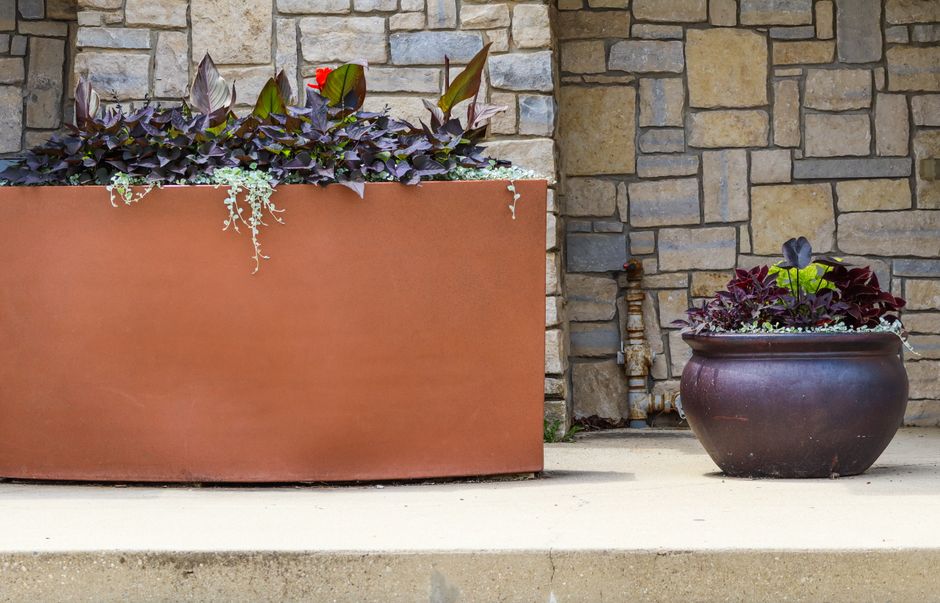
Best gardeners for terrace containers near Fortess Road Tufnell Park
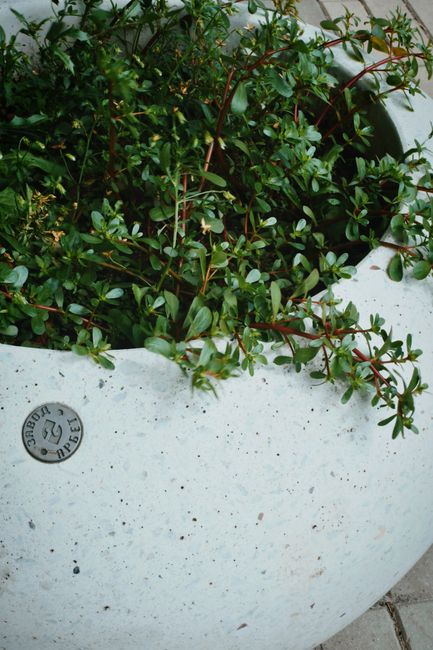
If you live near Fortess Road in Tufnell Park, you already know a terrace can be both a small luxury and a small headache. Sun one minute, wind the next. Pots drying out, herbs sulking, a planter getting waterlogged after a heavy shower. That is exactly why choosing the best gardeners for terrace containers near Fortess Road Tufnell Park matters. The right gardener does more than make things look pretty. They help your space actually work: for your light levels, your routines, your neighbours, and the odd strong London breeze that arrives with no warning.
This guide walks through what good terrace container gardening really looks like, how a skilled gardener approaches it, what to ask before you hire, and where the common mistakes tend to creep in. If you want a terrace that feels calm, green, and easy to maintain rather than a weekly battle with dead leaves and dry compost, you're in the right place.
Practical tip: the best results usually come from gardeners who understand container planting, not just general garden tidy-ups. That distinction matters more than people think.
Why Best gardeners for terrace containers near Fortess Road Tufnell Park Matters
Terrace container gardening sounds simple until you try to keep it alive through real life. A terrace near Fortess Road may have a mix of direct sun, reflected heat from brick and paving, shaded corners, and exposed edges that catch the wind. In other words, it is not a "set and forget" space. It needs thoughtful planting, sensible containers, and a gardener who understands how London terraces behave across the seasons.
The best gardeners for this kind of work are usually the ones who look at the whole picture. They consider the weight of pots on your terrace, the way water drains, how exposed the site is, and how much maintenance you actually want to do. That last one is huge. Some people love regular deadheading and feeding. Others want a terrace that looks good with minimal fuss. A good gardener adjusts to the person, not just the plants.
There is also the local context. Tufnell Park properties often have compact outdoor spaces, upper-level terraces, and shared access points. That means the practical side matters: moving compost upstairs, avoiding water run-off onto neighbours' areas, and choosing pots that are attractive but not impossible to shift. Nothing glamorous about it. But this is what makes a project succeed.
Bottom line: a great terrace gardener is part plant specialist, part space planner, part problem-solver.
How Best gardeners for terrace containers near Fortess Road Tufnell Park Works
Good terrace container gardening starts with assessment. Before anyone buys a single plant, they should be asking what the terrace can realistically support. Not every planter belongs on every terrace, and not every plant suits a breezy, exposed London setting. A thoughtful gardener usually begins with light, shelter, weight, drainage, and your preferred level of upkeep.
In practice, the work often follows a simple flow:
- Site review: checking sun, shade, wind exposure, access, and any drainage issues.
- Container plan: choosing pot sizes, materials, and placement that suit the terrace.
- Plant selection: picking species that cope with the site rather than fighting it.
- Soil and feeding setup: using quality compost and a realistic feeding routine.
- Planting and spacing: giving roots enough room, which is more important than people expect.
- Maintenance schedule: setting watering, pruning, and seasonal refresh timings.
Terrace containers are different from border planting because the plant roots are confined. That means temperature swings are sharper, moisture disappears faster, and nutrients get used up quicker. A sunny south-facing terrace can dry out by lunchtime on a warm day. A shady north-facing spot may stay damp longer than you'd like. To be fair, that is the bit many DIY attempts underestimate.
A good gardener also thinks ahead. For example, they may suggest evergreen structure for winter, then seasonal colour for spring and summer. Or they might build a planting scheme around edible herbs, compact shrubs, and a few flowering plants for pollinators. The aim is balance, not overcrowding. If it looks lush in June but tired by August, the plan wasn't strong enough.
Key Benefits and Practical Advantages
Hiring the right gardener for terrace containers is not just about convenience. It changes how the space feels and how often you enjoy it. A well-planned terrace can become a place you actually use for morning coffee, a quiet read, or a meal outside when the weather behaves. Which, let's face it, is always a small victory in London.
- Better plant survival: suitable plants in suitable containers tend to stay healthier for longer.
- Less maintenance stress: the right setup means fewer emergency rescue missions with a watering can.
- More usable outdoor space: containers can define seating areas and soften hard surfaces without cluttering them.
- Seasonal interest: careful planting keeps the terrace looking good beyond a single flowering period.
- Improved privacy: taller container plants can screen views without building anything permanent.
- Cleaner, tidier feel: a planned layout looks intentional rather than improvised.
There is also a subtle but real benefit: confidence. Once the planting has been set up properly, you stop worrying every time the weather changes. You know where the shade falls, which pots dry out fastest, and what needs trimming when. That calm matters more than people admit.
Expert summary: the best terrace gardeners do not just plant. They create a system that keeps working after the first pretty week has passed.
Who This Is For and When It Makes Sense
This service makes sense for a wide range of people, but especially for anyone with a terrace, balcony, roof terrace, or compact courtyard who wants something greener without taking on a full garden overhaul. If you live near Fortess Road and your outdoor space gets a mix of sun, shade, and wind, containers are often the smartest way to bring it to life.
You may need this kind of help if:
- your pots keep drying out or tipping over
- your plants keep failing in one corner of the terrace
- you want screening or privacy without permanent construction
- you'd like edible planting but don't know what will survive
- you have a busy schedule and want a low-fuss setup
- you want a more polished look before guests come round
It also makes sense if you've already tried DIY planting and realised it isn't just about "buying nice pots." Quite the opposite, really. The success of terrace containers depends on details that are easy to miss: pot depth, drainage holes, compost type, wind tolerance, and plant combinations. One wrong move and a lovely rosemary can look tired in a few weeks.
Sometimes people assume they need a large budget to improve a terrace. Not necessarily. Even a modest update can be effective if the gardener knows how to prioritise the highest-impact changes first. A couple of strong statement containers, a better planting mix, and a thoughtful layout can make a surprisingly big difference.
Step-by-Step Guidance
If you want to approach terrace containers properly, this is the process that tends to work best. Not fancy. Just sensible.
- Assess the conditions. Note where the sun lands, where wind hits hardest, and which parts stay damp. Take a quick look at different times of day if you can. Morning and late afternoon can feel like two separate gardens.
- Decide what you want the space to do. Do you want privacy, colour, herbs, structure, or all four? Be honest here. Trying to do everything in one small terrace often leads to clutter.
- Choose containers with purpose. Pick pots that suit the terrace style but also offer enough soil volume. Bigger pots usually perform better because they hold moisture more steadily.
- Use the right compost and drainage. Quality compost, free-draining material where needed, and proper pot holes matter. A beautiful container with bad drainage is just a decorative problem.
- Select plants for the site. Match plants to light and exposure. Tougher evergreens, compact shrubs, grasses, herbs, and seasonal flowers can all play a role.
- Layer the planting. Use height, mid-layer plants, and trailing varieties where appropriate. This makes the container look fuller and more natural.
- Install and water properly. After planting, water thoroughly so roots settle in. Then check the moisture level regularly for the first few weeks.
- Plan maintenance from day one. Deadheading, feeding, shaping, and seasonal replacement should be part of the design, not an afterthought.
If you are doing this yourself, start with a smaller section rather than the whole terrace at once. That way you can see what works before committing everything. A good gardener would usually say the same thing, quietly and with a knowing smile.
Expert Tips for Better Results
The strongest terrace planting schemes tend to follow a few practical rules. They are not glamorous, but they work.
Choose containers that suit the wind
On exposed terraces, lightweight pots can shift, rattle, or even topple. Heavier containers often perform better and feel more stable. If weight is a concern for an upper-level terrace, a gardener should think carefully about the balance between sturdiness and structural limits. No one wants a beautiful pot arrangement that feels wobbly in a strong gust.
Group plants by water needs
Put thirsty plants together and drought-tolerant plants together. It sounds obvious, yet people mix them all the time. Then one plant is thriving while the one beside it looks miserable. Separate needs make watering easier and more predictable.
Build for all seasons, not just summer
A terrace that looks good in June but empty in January is missing structure. Evergreens, grasses, clipped shrubs, or winter-interest plants help carry the space through colder months. You want bones in the design, not just flowers.
Use the edges wisely
The outer edge of a terrace can be harsh. It gets more wind, more glare, and often more drying. More sheltered corners are ideal for softer plants. This is where experience really shows, because a good gardener knows which plants should live where rather than placing them by appearance alone.
Keep a few spare plants in reserve
That is one of those little habits that saves time later. If a plant sulks, gets damaged, or simply looks wrong, having a backup makes refreshes easier. Tiny thing, big difference.
And yes, the right gardener will often tell you when not to plant something. That's a good sign. If every request is met with cheerful agreement, be slightly suspicious.
Common Mistakes to Avoid
Most terrace container problems come from a handful of avoidable missteps. The funny part is that they often look fine at first.
- Using pots that are too small: small pots dry out fast and limit root growth.
- Ignoring drainage: standing water leads to root stress and weak plants.
- Choosing plants for looks only: a plant that hates wind will struggle, no matter how nice it looked in the nursery.
- Overcrowding: too many plants in one container creates competition and poor airflow.
- Forgetting maintenance: every container needs some level of care, even low-maintenance ones.
- Not planning for access: if you cannot reach the back of a terrace pot, watering and pruning become annoying fast.
- Underestimating summer heat: terraced and paved spaces can heat up much more than garden borders.
One of the sneakiest issues is buying plants all at once because the terrace feels empty. It fills the space quickly, sure, but often without a coherent structure. Better to plant in stages, then adjust. That's the sort of pacing that usually leads to better results.
Tools, Resources and Recommendations
You do not need a warehouse of equipment for terrace containers, but a few proper tools make the job far easier. For most projects, the essentials are straightforward.
- a sturdy watering can or hose attachment suitable for terrace use
- quality peat-free compost where appropriate
- slow-release or liquid feed matched to the plant type
- pruning shears for deadheading and shaping
- gloves, especially when handling thorny or woody plants
- pot feet or risers if improved drainage is needed
- gravel trays or saucers where run-off needs managing carefully
If you are comparing gardeners, ask how they approach plant sourcing and aftercare. A reliable gardener should be able to explain why they recommend certain plants, how they handle replacements, and what maintenance they expect after planting. You want clarity, not vague enthusiasm. There's a difference.
It can also help to look at a gardener's broader service range. For example, if you later want surrounding areas tidied or reshaped, services such as garden maintenance, landscape gardening, or the full services overview can give you a sense of how they work across different outdoor spaces. If you are planning a bigger reset, garden clearance or landscaping may also be relevant, though terrace container work is usually its own specialist lane.
Law, Compliance, Standards, or Best Practice
For terrace container gardening, the main compliance concerns are practical rather than dramatic, but they are still worth respecting. In shared buildings or flats, you should think carefully about water run-off, access routes, noise, and the weight of large containers. If you are in a leasehold property, there may be building-specific rules about what you can place on a terrace, particularly if anything could affect communal areas or external appearance.
Good practice also matters when it comes to safety. Heavy pots should be positioned securely, especially in exposed places. Plants should not block drainage outlets, access points, or fire escape routes. That is common sense, but common sense gets forgotten when a terrace starts looking lovely and people get carried away. Happens all the time.
If a gardener is working on your property, it is fair to ask about insurance, safe working methods, and how they manage tools, ladders, and materials on upper-level spaces. A professional approach should feel measured and calm, not hurried. You can also review related information such as health and safety policy details and insurance and safety information if you want reassurance about working practices. For payment and booking expectations, payment and security guidance and pricing and quotes can be useful too.
Best practice, in plain English, means this: do the job safely, choose materials that suit the site, and avoid creating problems for neighbours or the building. Simple, but important.
Options, Methods, or Comparison Table
Not every terrace needs the same approach. Some spaces are best kept simple and elegant. Others can handle a fuller planting scheme. The table below gives a practical comparison of common methods.
| Approach | Best for | Pros | Watch-outs |
|---|---|---|---|
| Low-maintenance evergreen containers | Busy households, year-round structure | Reliable shape, less seasonal upheaval | Can feel static if not layered with seasonal colour |
| Seasonal display containers | Colour-focused terraces, short-term refreshes | Bright, flexible, easy to change | Needs more frequent replacement and upkeep |
| Herb and edible containers | Cooking spaces, smaller terraces | Practical and attractive, useful daily | Needs proper sun and regular harvesting |
| Privacy-focused planting | Overlooked terraces, seating zones | Softens views and adds enclosure | Requires more thought about height and weight |
| Mixed scheme with structure and colour | Most terraces that need balance | Best all-round look and function | Needs a bit more planning upfront |
For many homes near Fortess Road, the mixed scheme is the sweet spot. It gives you structure, privacy, and seasonal interest without feeling overdesigned. You can always add more later. Sometimes restraint is the smarter move, honestly.
Case Study or Real-World Example
Here's a realistic example. A terrace near Tufnell Park Road had a neat but underused outdoor area: pale paving, a couple of tired pots, and a strong sense that the space could do more. The owner wanted greenery, but not a jungle. They also wanted privacy from neighbouring windows without building anything permanent.
A gardener assessed the site and noticed two things straight away: the terrace caught morning sun but became windy in the afternoon, and the existing pots were too small to hold moisture for long. The plan was simple but effective. Larger containers were introduced along the edges, with a mix of upright evergreen plants, compact flowering shrubs, and a few softer trailing plants to soften the hard lines. In a sheltered corner, herbs were added for easy picking near the kitchen.
Nothing dramatic happened overnight. That's the honest bit. But over the next few weeks, the terrace started to feel calmer and more usable. The plants held together better in windy weather, the watering routine became easier, and the seating area felt more private. The owner stopped treating the terrace like a problem and started using it like a room. That change, small as it sounds, is the real win.
If you want more local-style inspiration on how outdoor spaces can be reworked with a practical eye, the article on the Tufnell Park Road gardener's guide for homeowners offers a useful nearby perspective, and turning a terrace into a private nook with tall potted plants is especially relevant if screening is a priority. For broader local reading, the blog has more ideas that fit the area well.
Practical Checklist
Before you hire anyone or start planting, use this checklist. It saves a lot of back-and-forth later.
- Have you identified how much sun and shade the terrace gets?
- Do you know where the strongest wind hits?
- Are the containers large enough for the plants you want?
- Is drainage sorted, including any run-off concerns?
- Do you want low maintenance, seasonal colour, privacy, or a mix?
- Have you asked how often the planting will need watering and feeding?
- Are the chosen plants suitable for container life in London conditions?
- Will the layout still work if you need to move furniture around?
- Have you checked access, weight, and any building restrictions?
- Do you know who to contact for aftercare or replacements if needed?
Quick reality check: if several of those answers are unclear, pause and plan a little more. A terrace is forgiving in some ways, but not in all the ways that matter.
Conclusion
Finding the best gardeners for terrace containers near Fortess Road Tufnell Park is really about finding someone who understands both plants and place. Your terrace is not a blank canvas in the abstract. It is a small, specific, lived-in space with its own sun, wind, access, and routines. The right gardener will read those details properly and turn them into something that feels easy to live with.
That usually means better plant choices, cleaner structure, more reliable maintenance, and fewer avoidable mistakes. It also means a terrace that feels like part of your home, not a chore waiting outside the door. And once that clicks, you notice it every time you step out with a cup of tea or open the doors on a bright morning.
Get a free quote today and see how much you can save.
Frequently Asked Questions
What should I look for in a terrace container gardener near Fortess Road Tufnell Park?
Look for someone who understands container planting, not just general garden maintenance. They should ask about light, wind, drainage, access, and how much upkeep you want. A good sign is when they talk about the space as a whole rather than just suggesting plants at random.
Are terrace containers harder to maintain than regular garden beds?
Usually, yes. Containers dry out faster and need more attention to watering and feeding. That said, a well-designed container scheme can be easier to manage than a neglected border because everything is contained and easier to monitor.
How often do terrace containers need watering?
It depends on the size of the pot, the plants, the weather, and how exposed the terrace is. In warm or windy periods, some containers may need watering very frequently. A gardener should give you a realistic watering plan based on your exact conditions, not a generic rule of thumb.
What plants work best in terrace containers in London?
That depends on the terrace orientation and exposure, but compact shrubs, herbs, grasses, evergreen structure plants, and seasonal flowers are all common choices. The best plants are the ones that match your light levels and maintenance habits. Pretty but unsuitable is not much help.
Can a gardener help make a terrace look more private?
Yes. Privacy is one of the most useful reasons to use terrace containers. Taller plants, layered containers, and strategic placement can soften sightlines without needing permanent construction. It is a very practical solution, especially on overlooked terraces.
How much maintenance does terrace planting usually need?
It varies. Some schemes need regular watering, deadheading, and seasonal refreshing. Others are designed for lower upkeep with more evergreen structure and tougher plants. The key is to be honest about how much time you want to spend maintaining it.
Do I need large pots for terrace containers?
Not always, but larger pots generally perform better because they hold moisture more steadily and give roots more room. Small pots can look neat, but they often need more frequent watering and can be less forgiving in heat or wind.
What if my terrace gets strong wind?
Then plant choice and container stability matter even more. Heavier pots, tougher plants, and careful placement become important. A good gardener will treat wind as a core design factor, not an afterthought.
Should terrace containers be changed seasonally?
Some should, yes. Seasonal refreshes can keep the terrace looking lively and avoid tired-looking planting. But many schemes work best with a backbone of evergreen or structural plants, so the whole terrace does not need replacing all the time.
Can I mix herbs and flowers in the same terrace containers?
Sometimes, yes, if their light and water needs are similar. But mixing everything together without a plan can cause problems. A gardener can help you combine herbs and flowers in a way that looks good and still functions properly.
How do I know if a gardener is the right fit before booking?
Ask how they would approach your specific terrace, what they would prioritise first, and how they handle maintenance after planting. If they give clear, practical answers and seem to understand the realities of your space, that is a strong sign. If the advice feels vague, keep looking.
Is terrace container work suitable for small spaces?
Absolutely. In fact, terrace container gardening is often one of the best ways to improve a small outdoor area. The trick is keeping the layout purposeful so the space feels calm rather than crowded. Small space, big opportunity - that's the nice surprise here.
If you are still narrowing down options, you can also learn more about the team's background on the about us page, review the wider recycling and sustainability approach, or contact the team directly through contact us when you are ready to talk through your terrace in detail.