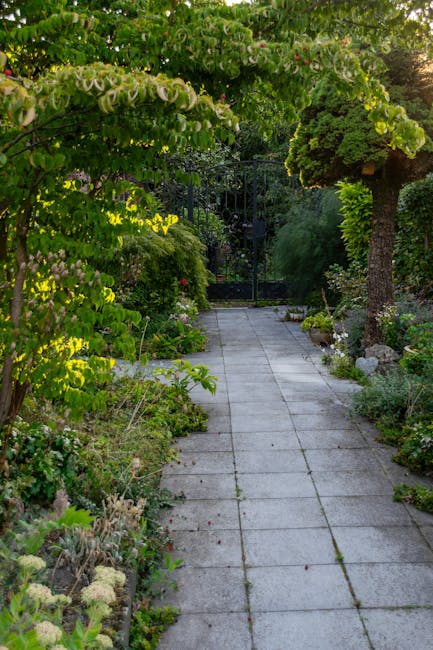
Common access problems for gardeners in Tufnell Park courtyards
If you have ever tried to bring tools, plant stock, or even a wheelbarrow into a tight courtyard, you will know the feeling: the job itself may be straightforward, but the route in and out is the real challenge. In Tufnell Park, courtyard gardens often sit behind shared entrances, narrow side passages, awkward stairways, locked gates, or basement-level steps that make routine garden work slower than it should be. This guide looks closely at the common access problems for gardeners in Tufnell Park courtyards, why they matter, and what actually helps in day-to-day practice.
We will cover the typical pinch points, the knock-on effects for maintenance and landscaping, and a practical way to plan around them. If you are a homeowner, landlord, managing agent, or gardener, the aim is simple: fewer surprises, safer work, and a cleaner result. Sounds obvious, but in London courtyards the small stuff is usually the big stuff.
Why Common access problems for gardeners in Tufnell Park courtyards Matters
Access sounds like a small logistical detail until you are standing at a gate with a mower that will not fit, a compost bag that has to be carried by hand, and three residents wanting to get through the same doorway at once. Then it matters a great deal. Courtyards in Tufnell Park are often compact, shared, and shaped by older buildings, which means the route from pavement to planting bed can be more complicated than the garden itself.
For gardeners, poor access affects time, safety, the quality of the finish, and even whether certain jobs are realistic in one visit. For clients, it can mean more disruption, slower progress, and extra cost if planning is vague. In practical terms, access issues can affect everything from lawn mowing and hedge trimming to heavier tasks such as garden clearance or tree lopping and removal.
There is also a trust angle. When access is handled properly, the work looks more professional, neighbours are less inconvenienced, and everyone has a clearer idea of what will happen before a single spade goes in the soil. That calm, organised feeling? You notice it immediately.
Expert summary: Good courtyard gardening is rarely just about horticulture. It is also about moving people, tools, waste, and materials safely through a limited space without turning a neat garden into a mini construction site.
How Common access problems for gardeners in Tufnell Park courtyards Works
The phrase "access problems" covers a lot of ground. In a Tufnell Park courtyard, it might mean a gate that opens inward and blocks the only clear path, a shared hallway with a narrow turn, or no convenient place to park for unloading. Sometimes the issue is physical. Sometimes it is social. Often it is both.
A gardener usually has to think through access in stages:
- Arrival and unloading - where the van stops, how tools are carried, and whether there is safe short-term parking nearby.
- Entry to the courtyard - gate width, keyholding, intercoms, door codes, or permission from residents and managing agents.
- Movement inside the site - paths, steps, tight corners, slippery paving, low walls, and fragile planting.
- Waste removal - whether green waste can be bagged and carried out, or whether a fuller clearance plan is needed.
- End-of-job exit - making sure tools, cuttings, and soil do not leave the site in a mess.
That sounds procedural, but it really is the backbone of a smooth visit. A lot of access trouble is predictable if someone walks the route beforehand or even studies it carefully from a site note and a few photos. The awkward bit is that many courtyards look manageable from the front and then, two minutes later, you find the turning circle is tiny and the doorway is narrower than expected. Classic London, really.
Good access planning is not about making everything easy. It is about reducing friction enough that the gardening work can happen properly.
Key Benefits and Practical Advantages
Getting courtyard access right has benefits that go beyond convenience. It can improve the whole outcome of the job.
- Less damage risk: Fewer scraped walls, broken pots, crushed edging stones, or scuffed communal areas.
- Better time control: A gardener can spend more of the visit on actual work instead of shuttling equipment back and forth.
- Cleaner presentation: When waste routes are planned, the garden and shared spaces are left tidier.
- Safer working conditions: Tight spaces are easier to manage when lifting, carrying, and moving are thought through in advance.
- Smoother neighbour relations: Fewer awkward moments in communal hallways or shared access ways.
- More realistic quoting: Accurate access information helps with fairer pricing and more reliable scheduling.
There is another benefit people sometimes miss: better access planning often broadens what is possible in a courtyard. A space that seemed too awkward for proper maintenance may actually be perfectly workable if the team uses smaller tools, stages materials differently, or splits the job into visits. That is where experience counts.
If you are planning broader changes, services such as landscaping or landscape gardening become much easier to deliver when the access route is understood early. The same applies to ongoing garden maintenance, where repeated visits magnify any small entry problem.
Who This Is For and When It Makes Sense
This topic matters to a few different groups, and each one tends to see the problem from a slightly different angle.
- Homeowners who want their courtyard kept tidy without constant disruption.
- Landlords and managing agents who need reliable access arrangements for scheduled visits.
- Gardeners and landscapers who need to quote accurately and avoid avoidable delays.
- Residents in shared buildings who want common areas respected and left clean.
- People with larger seasonal jobs such as overgrown borders, hedge cuts, or a one-off clearance before a move or refurbishment.
It makes particular sense to think about access before:
- the first maintenance visit to a new property;
- any job involving heavy bags of waste, soil, or materials;
- work that needs multiple trades or contractors coming through the same route;
- a period when the courtyard is likely to be busy, for example with deliveries, residents, or building work.
Truth be told, if a courtyard looks simple on a sunny day with nothing else happening, that is the moment to slow down and ask the practical questions. On a wet Tuesday morning with bins out and a bike in the passage, the picture changes fast.
Step-by-Step Guidance
If you are trying to reduce courtyard access headaches, here is a simple sequence that works well in real life.
- Walk the route from street to garden. Check every doorway, gate, latch, step, turning point, and surface change. Do not assume anything.
- Measure the tightest points. Widths matter for barrows, mowers, large plant containers, and waste bags.
- Identify shared or restricted zones. Note hallways, bin stores, entrance lobbies, or any area that needs permission or advance notice.
- Confirm who holds keys or codes. Missed access is one of the most common causes of wasted time.
- Check parking and unloading options. A short walk from the van can be fine; a long one with heavy materials can quickly become inefficient.
- Choose the right tools for the route. In a courtyard, compact equipment often beats larger machines. A smaller mower, folding tools, or modular bags can make a real difference.
- Plan waste movement before the work starts. If you need garden clearance, know whether waste will be bagged in stages, taken out in one trip, or held temporarily in a safe area.
- Set neighbour expectations. A short notice about timings, noise, and foot traffic can avoid friction later.
- Leave a simpler path than you found. Keep entrances tidy, stack materials neatly, and remove trip hazards as you go.
A useful habit is to treat access as part of the job scope, not an afterthought. That one mindset shift saves a lot of backtracking. And yes, it can mean one extra message or site check before the visit, but that is still cheaper than arriving and discovering the mower will not make the turn. No one enjoys that little moment of silence.
Expert Tips for Better Results
In our experience, the best courtyard jobs are the ones where the access plan is almost boring. Nothing dramatic. No last-minute scrambles. Just a few sensible choices made early.
Use the smallest practical movement route
The shortest route is not always the best route. Sometimes a slightly longer path with fewer turns, less clutter, and a more stable surface is safer and faster. If there is a back gate that avoids a narrow interior hallway, that may be the better option even if it adds a few metres.
Break the job into stages
For dense courtyard work, staged movement is often more efficient than trying to carry everything at once. For example, light pruning can happen first, then waste can be bagged, then a final tidy-up follows. Simple. A bit old-fashioned, maybe, but it works.
Protect shared surfaces early
Where access is tight, the first scrape often happens before the gardening starts. Protective boards, mats, or careful loading areas can prevent damage to paving, thresholds, and painted walls. This is especially helpful where the courtyard sits off a communal corridor.
Keep the noise and mess window short
Courtyard access problems often become neighbour issues when the job drags. If you can shorten the noisy or awkward part of the visit by pre-staging tools and waste, everyone benefits. Small gains add up.
Document the awkward points
Once a route has been assessed, keep notes. A simple site record of gate codes, steps, dog-leg corners, and waste exit points can make repeat visits much smoother. It is not glamorous, but it is gold dust.
For more involved projects, it may also help to think about broader site design. Pages such as decking services can be relevant if access planning is part of a wider courtyard redesign, while lawn mowing matters when grass areas need regular entry with compact equipment.
Common Mistakes to Avoid
Most access problems are not caused by bad intent. They are caused by assumptions. That is the annoying bit.
- Assuming a standard mower will fit: Many courtyard gates and turns do not allow it.
- Ignoring waste exit routes: A job can stall if there is nowhere sensible to move clippings, branches, or soil.
- Forgetting shared access rules: Communal halls and courtyards often need advance notice or coordination.
- Not checking surface condition: Wet steps, loose paving, and uneven slabs can become a real hazard.
- Overloading one visit: Trying to do too much in a cramped garden can create clutter and increase the risk of mistakes.
- Using the wrong tool size: Bigger is not always better. Sometimes a smaller, cleaner setup gives a better finish.
There is also a common planning mistake on the client side: asking for a quote without mentioning access restrictions, then being surprised when the estimate changes. That is not anyone's favourite conversation. A few photos and a quick description usually avoid it.
If a courtyard has major overgrowth or hidden rubbish, it may be worth separating routine maintenance from a larger reset and using a dedicated garden clearance approach first.
Tools, Resources and Recommendations
The right kit can make awkward access feel manageable. The wrong kit can turn a small task into a day-long shuffle.
| Access challenge | Helpful approach | Why it works |
|---|---|---|
| Narrow gate or passage | Compact hand tools and smaller loads | Reduces snagging and makes repeated passes easier |
| Long carry from street to courtyard | Staged unloading and fewer, heavier trips | Saves time and lowers strain |
| Shared entrance or hallway | Advance notice and protective covers | Limits disruption and protects common areas |
| Large waste volume | Bagging strategy or phased clearance | Prevents clutter and keeps routes clear |
| Frequent maintenance visits | Site notes and repeat access checks | Speeds up every future visit |
Practical recommendations are usually pretty simple:
- Use folding or modular tools where possible.
- Keep waste bags manageable rather than overfilled.
- Bring a small amount of protective material for fragile thresholds or tight corners.
- Take a quick site photo set if the route is unusual.
- Ask whether there is an easier return route before starting heavy work.
For recurring work, services overview pages are a useful place to understand how different garden tasks fit together, especially when access affects more than one type of job. In a courtyard, maintenance, pruning, and waste handling are usually linked whether we like it or not.
Law, Compliance, Standards, or Best Practice
This topic is not usually about a single dramatic regulation. It is more about following sensible UK best practice and respecting the realities of shared residential spaces. That said, there are a few areas where care matters.
- Health and safety: Narrow access, lifting, manual handling, slips, and trips all need proper attention. A safe setup is part of professional work, not a bonus.
- Shared property rules: Courtyards and communal entrances often come with building rules, access restrictions, or neighbour expectations that should be checked in advance.
- Waste handling: Green waste should be managed responsibly and kept in line with the agreed removal method. If the job creates more waste than planned, the route out matters.
- Insurance awareness: Any contractor working through tight communal access should be mindful of accidental damage risks and have appropriate cover in place.
Best practice also includes clear communication. If the route is awkward, say so. If a gate is too small for a machine, do not force it. If wet steps create a hazard, delay or adjust. That is the grown-up version, really.
For clients wanting reassurance around standards and operating practices, pages such as health and safety policy and insurance and safety can help explain how a professional approach should be organised. If sustainability matters too, recycling and sustainability is worth considering, especially when access limitations affect how green waste is removed and sorted.
Options, Methods, or Comparison Table
There is no single right way to handle courtyard access. The best method depends on the size of the garden, the weight of the work, and how many people share the space.
| Method | Best for | Pros | Trade-offs |
|---|---|---|---|
| Direct access with standard tools | Simple courtyards with wider entry points | Fast, efficient, low setup time | Not suitable for tight turns or shared hallways |
| Compact-tool approach | Narrow gates, small passages, older buildings | Flexible, safer, easier to manoeuvre | May take longer for larger areas |
| Staged delivery and removal | Jobs with materials or heavy waste | Reduces clutter and strain | Needs more planning and coordination |
| Split-visit plan | Overgrown or complex courtyards | More control and better finish | Can extend project duration |
In practice, a split-visit plan is often the safest bet for tricky Tufnell Park courtyards. First visit: clear the route and assess the space. Second visit: complete the heavier gardening. Third visit, if needed: final shaping and tidy-up. It sounds slower, but it can actually save time overall because fewer things go wrong.
Case Study or Real-World Example
Here is a typical real-world scenario, with details adjusted to keep it general. A small courtyard behind a period property had a decent planting layout but an awkward access route: a narrow gate from the side return, two tight corners, and shared entry with residents passing through during the day. On paper, the garden itself was not large. In practice, it was fiddly.
The initial plan was to complete pruning, edging, and waste removal in one visit. But once the route was checked properly, it became clear that a standard mower would be awkward and waste bags would block the passage if they were stacked too early. So the job was changed. Lightweight hand tools were used, the pruning was done in stages, and waste was carried out in smaller loads at the end of each section. No drama, no forced squeezing, no scratched walls.
The result was not just a better-looking courtyard. It was a calmer job overall. The residents were not dodging tools, the path stayed open, and the final finish was cleaner because the team had enough room to work carefully. That is the kind of thing that makes a project feel properly handled rather than merely completed.
Sometimes the biggest improvement is not a new plant or a clever design detail. Sometimes it is simply choosing the right way in.
Practical Checklist
Use this checklist before any courtyard visit in Tufnell Park, especially where access looks tight or shared.
- Confirm the exact entry point to the courtyard.
- Check gate width, stair height, and any tight turns.
- Ask who holds keys, codes, or intercom access.
- Identify shared hallways or neighbour-facing routes.
- Review parking and unloading options.
- Match tools to the route, not just the job.
- Plan how waste will leave the site.
- Protect communal surfaces where needed.
- Allow extra time for awkward access or repeated carry trips.
- Send notice if the work may affect residents or visitors.
- Keep the path clear during the job.
- Record any access issues for future visits.
If you are dealing with regular upkeep, pairing this checklist with ongoing garden maintenance makes future visits far easier. Little habits, repeated well, make a noticeable difference. Really noticeable.
Get a free quote today and see how much you can save.
Conclusion
Common access problems for gardeners in Tufnell Park courtyards are not just minor inconveniences. They shape how safely, quickly, and neatly a garden can be maintained. Narrow gates, shared entrances, awkward turns, limited unloading space, and complicated waste routes all influence the work long before the first cut or prune happens.
The good news is that most of these problems can be managed with clear planning, the right tools, and honest communication. A courtyard does not need to be spacious to be workable. It just needs to be understood properly. Once that happens, the job becomes simpler, the results improve, and everyone breathes a little easier.
And if you have ever stood in a courtyard at 8:15 on a grey London morning, wondering how on earth a mower is meant to get round that corner, you are definitely not alone.
Good gardening starts with a good route in. The rest tends to follow.
Frequently Asked Questions
What are the most common access problems for gardeners in Tufnell Park courtyards?
The most common issues are narrow gates, shared entrances, tight corners, steps, limited parking, and awkward waste removal routes. In many courtyards, the garden itself is manageable, but getting equipment in and cuttings out takes more planning than people expect.
Why does access matter so much for courtyard gardening?
Access affects safety, timing, finish quality, and cost. If a gardener cannot move tools and waste efficiently, the job takes longer and can become more disruptive. Good access planning helps the work feel calm and controlled instead of rushed.
Can a gardener still work in a very small courtyard?
Often, yes. Small courtyards are usually workable if the route is assessed properly and compact tools are used. The key question is not just whether the space is small, but whether the access route allows the work to be done safely and tidily.
How should I prepare my courtyard before a gardener arrives?
Clear obvious obstacles, confirm access codes or keys, move fragile items if possible, and mention any known pinch points. A few photos and a short note about the route can save a lot of time on the day.
What if the garden waste is too bulky to carry out easily?
Then the job may need a staged removal plan or a fuller clearance approach. Smaller bag loads, repeated trips, or a separate garden clearance visit may be more practical than trying to force everything through one tight exit.
Do access issues usually change the price?
They can. If access is especially tight, shared, or time-consuming, the quote may need to reflect the extra effort and planning. The best way to avoid surprises is to explain the route clearly before work starts.
What tools work best in restricted courtyard spaces?
Smaller, lighter tools usually work best: compact hand tools, folding equipment, manageable waste bags, and smaller mowers where appropriate. Bigger equipment is not always an advantage in a tight courtyard.
Are shared hallways and communal entrances a problem for gardeners?
They can be if they are not planned for. Shared spaces need care, clear communication, and a tidy approach so residents can still move through safely. Protective coverings and short, well-timed visits often help a lot.
How do I know if my courtyard needs a full landscaping plan instead of simple maintenance?
If access is awkward and the garden is being redesigned, not just maintained, a broader landscape gardening or landscaping approach may make more sense. That is especially true if paths, planting layout, or storage areas need rethinking.
What should a professional gardener check before starting work in a courtyard?
They should check the entrance width, route from street to garden, any shared access rules, parking or unloading options, waste removal method, and the type of tools needed. A quick walk-through at the start can prevent most avoidable problems.
Is it better to do courtyard jobs in one visit or several?
It depends on the access and the size of the task. For awkward courtyards, several shorter visits can be more effective because they reduce clutter, improve safety, and let the gardener work more carefully. One visit is not always the fastest option, oddly enough.
Where can I find more information about how the service is organised?
Useful starting points include the services overview, about us, and pricing and quotes pages. If you want to understand working standards, the health and safety policy and insurance and safety pages are also helpful.
What is the simplest way to avoid access problems altogether?
You probably cannot remove every issue, but you can reduce them a lot by planning early, sharing clear access details, and choosing the right tools for the route. In courtyard gardening, good preparation is half the job. Sometimes more.