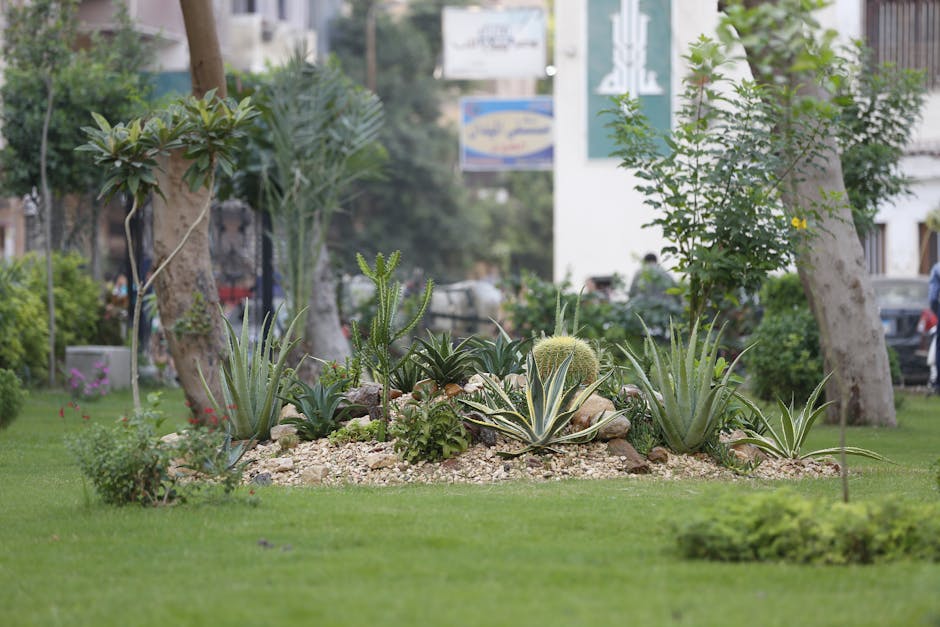
N19 Small Garden Solutions from Tufnell Park Gardeners
If you live in N19 and your garden feels more like a narrow courtyard, a shaded strip, or a slightly awkward patch of outdoor space, you are not alone. Small gardens in this part of North London can be lovely, but they often need a sharper plan than bigger plots. The good news? The right N19 small garden solutions from Tufnell Park gardeners can make a compact space feel brighter, calmer, and far more usable without turning it into a high-maintenance project.
In this guide, we'll look at what those solutions actually involve, how they work, and which changes tend to deliver the biggest difference in real homes. We'll also cover common mistakes, practical steps, and the kind of detail that matters when every square metre counts. Truth be told, small gardens are often easier to improve than people expect - once you stop trying to do everything at once.
Table of Contents
- Why N19 small garden solutions from Tufnell Park gardeners Matters
- How N19 small garden solutions from Tufnell Park gardeners Works
- Key Benefits and Practical Advantages
- Who This Is For and When It Makes Sense
- Step-by-Step Guidance
- Expert Tips for Better Results
- Common Mistakes to Avoid
- Tools, Resources and Recommendations
- Law, Compliance, Standards, or Best Practice
- Options, Methods, or Comparison Table
- Case Study or Real-World Example
- Practical Checklist
- Conclusion
- Frequently Asked Questions
Why N19 small garden solutions from Tufnell Park gardeners Matters
Small gardens are easy to underestimate. A few overgrown shrubs, a tired lawn, or one badly placed feature can make the whole space feel cramped and unusable. In N19, where many gardens are tucked behind terraces, split by level changes, or overlooked by neighbouring homes, the issue is not just size. It's flow, light, privacy, and how the space works day to day.
That is why N19 small garden solutions from Tufnell Park gardeners matter: they focus on making a compact garden perform better, not simply look tidier for a week. The best improvements tend to be practical first. Clear sightlines. Easier access. Better planting choices. Smarter materials. Less visual clutter. And, importantly, work that you can keep on top of.
There's also a cost-of-ownership angle here. Small gardens can become surprisingly expensive if they are repeatedly reworked without a clear plan. A hedge that grows too fast, a lawn that struggles in shade, or planting that needs constant replacement can chew through time and money. A proper solution gets ahead of that. You want a garden that feels considered, not fussy.
If you're looking at a garden that seems "too small to bother with", that's usually the exact moment when it is worth bothering with it. A few intelligent changes can make the place feel like a genuinely useful part of your home.
For a broader look at the full service range that supports these kinds of projects, you can also explore the services overview and, where needed, specific help such as garden maintenance or landscaping.
How N19 small garden solutions from Tufnell Park gardeners Works
The process usually starts with a simple assessment of what the garden is doing now and what you want it to do instead. That sounds obvious, but it saves a lot of wasted effort. One home might need better seating space and privacy. Another might need a clear path to a shed, more daylight, or planting that survives a shady north-facing corner. Different problems, different fixes.
In practice, Tufnell Park gardeners often approach a small garden by dividing it into functional zones. Not large zones. Tiny ones. A place to sit. A strip for planting. A narrow access route. A storage corner. Maybe a raised bed. When those jobs are arranged properly, even a compact plot starts to feel calmer and easier to use.
There is usually also a reduction phase. Small gardens almost always benefit from cutting back what is overpowering the space. That might involve hedge trimming, a bit of tree lopping and removal where appropriate, or careful garden clearance to remove dead growth, clutter, and unwanted debris. Sometimes the biggest design improvement is simply getting back the space that was already there.
Then comes the build-up stage: surfaces, edging, planting structure, and perhaps features like low-level timber work or a small deck. For some gardens, a tidy decking solution gives you a clean seating area without eating into the rest of the plot. For others, the answer is more about shaping the ground, improving borders, and using material changes to create definition.
Maintenance is the part people forget, and it matters a lot. A small garden can look polished or messy very quickly. So the plan should include realistic upkeep, not just the initial makeover. That may mean regular mowing, seasonal cutting back, or a light-touch routine to keep edges and surfaces looking crisp. If a garden can't be maintained easily, it will drift backwards. It happens all the time, especially in busy households.
Key Benefits and Practical Advantages
The main benefit of good small garden design is simple: you use the space more often. But there are several knock-on advantages worth noting.
- Better usability: a garden that is easier to move through gets used more, whether that's for morning coffee, a bit of reading, or just letting the air in after a long day.
- Less visual clutter: careful pruning, layout, and materials make tight spaces feel calmer.
- Improved light: cutting back dense growth and adjusting layout can brighten shaded areas more than people expect.
- Lower maintenance pressure: the right planting and surfaces reduce constant tidying.
- More privacy where needed: strategic screening can feel better than a wall of overgrown hedge, which, let's face it, can become a bit of a monster.
- Better property presentation: a neat outdoor space adds to first impressions, even if it is compact.
There is a quieter benefit too. A well-planned small garden tends to feel more restorative. You step outside and it feels intentional. Not perfect, just cared for. That feeling matters. Especially in dense urban streets where outdoor space is part escape, part utility, part sanity saver.
For clients who want regular upkeep rather than a full redesign, structured support from garden maintenance and lawn mowing can keep the space looking settled without demanding your weekends. That is often the real win.
Who This Is For and When It Makes Sense
N19 small garden solutions are a good fit for a wide range of households, but they are especially useful if your outdoor space has one or more of these issues:
- the garden feels cramped, even when it is technically tidy
- planting has become too dense or overgrown
- you have little time for regular upkeep
- the garden gets patchy light and plants struggle
- you want a seating area but don't want to lose all greenery
- there is poor access, awkward levels, or a layout that never quite worked
- the garden is being used mostly as storage rather than a usable outdoor area
It also makes sense if you are getting ready to move, rent out, or refresh a home after a long period of neglect. In those cases, the goal is usually not a grand transformation. It's clarity. Function. A garden that looks cared for and feels usable in normal life.
Small garden solutions are not just for "nice to have" moments either. They matter when maintenance has become a burden. If you find yourself thinking, "I'll sort it properly one day," that usually means the space is already asking for a better system. And to be fair, gardens rarely improve on hope alone.
Step-by-Step Guidance
Here is a sensible way to approach a small garden project in N19 without making it overcomplicated.
- Start with the real problem. Is it clutter, shade, poor drainage, awkward layout, or too much maintenance? Be honest here. A garden can look different on paper than it does at 6pm on a damp Tuesday.
- Clear what no longer helps. Remove dead plants, broken pots, tangled debris, and anything blocking movement. If the garden has accumulated a lot of material, professional garden clearance can create a blanker, cleaner starting point.
- Protect what is worth keeping. Good mature shrubs, a healthy tree, or a solid existing patio might be worth retaining. Not everything needs replacing.
- Define the layout. Mark where you'll walk, sit, plant, and store tools. In a small space, a few inches can matter more than you'd think.
- Choose materials that suit the space. Light-toned paving, compact decking, or tidy edging can help a garden feel larger and less busy.
- Use planting with restraint. Repeating a small number of plant types often works better than squeezing in too much variety.
- Plan for maintenance from day one. If the design needs constant attention, it is probably not the right design.
- Set a simple routine. Weekly checks, seasonal pruning, and occasional tidy-ups are easier than one giant rescue mission every six months.
That sequence sounds basic, but it prevents a lot of pain. People often jump straight to "what will look nice?" and skip "what will still look nice in three months?" Small garden success usually lives in that second question.
Expert Tips for Better Results
A few professional habits make a real difference in compact gardens. These are the sorts of things that separate a decent result from one that actually feels well thought through.
- Use repetition. Repeating a plant, colour, or material gives the eye a rest. In small spaces, rest is a good thing.
- Keep edges sharp. Crisp borders make a garden look better even if the planting is simple.
- Think vertically, but lightly. Trellises, climbers, and slender planting can add depth without crowding the floor space.
- Balance hard and soft surfaces. Too much paving can feel stark; too much planting can feel crowded. Somewhere in the middle usually works best.
- Let light do some of the work. Sometimes opening a view line is more effective than adding another feature.
- Match the garden to real life. If you use the space for drying laundry, cycle storage, or a pushchair route, the layout has to respect that. Fancy but impractical is a dead end.
If a small garden is shaded, wet, or windy, don't fight it with plants that hate those conditions. Use the site rather than arguing with it. A good gardener won't try to force a sun-loving border into a gloomy corner and then act surprised when it sulks. Happens all the time, honestly.
For ongoing support that keeps those small refinements from slipping, a regular maintenance plan is often the smartest route.
Common Mistakes to Avoid
Small gardens can go wrong in predictable ways. Avoiding these mistakes will save you money and frustration.
- Overfilling the space: too many pots, too many plant types, too many features. The garden starts shouting at you.
- Choosing the wrong scale: oversized furniture or heavy structures can dominate a tiny plot.
- Ignoring maintenance needs: fast-growing hedges and high-care planting create a cycle of overwhelm.
- Removing too much at once: a garden can lose its structure if everything is cut back or cleared without a plan.
- Forgetting drainage and access: beautiful surfaces are no help if the garden becomes slippery or awkward to use.
- Copying a big-garden design: small spaces need tighter editing and more discipline.
One of the biggest errors is treating the garden like a storage overspill. Bikes, bins, tools, and random items have a habit of taking over. Fair enough, life is busy. But if the garden is carrying too much household clutter, no planting scheme is going to fix that on its own.
Tools, Resources and Recommendations
The right tools depend on the work involved, but for most small garden projects, the essentials are straightforward.
| Need | Useful approach | Why it helps |
|---|---|---|
| Overgrown borders | Careful cutting back and shaping | Restores structure without stripping the garden bare |
| Patchy lawn | Regular mowing and assessment | Keeps the grass manageable and reveals problem areas early |
| Too much clutter | Targeted clearance | Creates breathing space and a better starting point |
| Cramped feel | Light materials, clean edges, vertical planting | Makes the garden feel more open |
| Busy lifestyle | Low-maintenance planting and routine upkeep | Reduces the chance of the garden sliding back |
For bigger tidy-up jobs, a proper clearance service can be the difference between a quick refresh and weeks of stress. If you're unsure where to begin, it may help to look at garden clearance alongside garden maintenance, because those two services often work best together.
People sometimes ask whether they should buy more tools or bring in help first. Honestly, if the space is already cluttered or overgrown, bringing in the right help first is usually the wiser move. Otherwise you end up buying equipment for a job you never quite define.
Law, Compliance, Standards, or Best Practice
For most small domestic garden projects, the main compliance issues are practical rather than dramatic, but they should still be treated carefully. Good garden work should protect people, property, and neighbouring spaces.
If work involves trees, boundary hedges, fences, access routes, or waste removal, it is sensible to check ownership, permission, and site-specific constraints before starting. In London, that often means thinking about neighbours, shared boundaries, and whether any existing plants or trees may need more care than a quick cut. Tree work, in particular, should be handled with caution and a clear understanding of safety and legal responsibilities.
Best practice also means safe disposal of green waste and materials. Responsible recycling and disposal matters, especially where a project produces a lot of cuttings, soil, or old garden items. If sustainability is important to you, it is worth asking how waste is handled and whether reusable material can be separated from general waste. A thoughtful approach here is better for the garden and for the wider environment.
It is also sensible to choose a gardener or landscaping team that works safely, communicates clearly, and has transparent policies around insurance and security. You can review related pages such as insurance and safety, health and safety policy, and recycling and sustainability for a better sense of how responsible work is approached.
That kind of detail is not glamorous, I know. But it is what keeps a tidy-up from becoming a headache.
Options, Methods, or Comparison Table
There is no single "best" small garden solution. The right method depends on the space, the budget, and how you plan to use the garden.
| Method | Best for | Pros | Trade-offs |
|---|---|---|---|
| Basic tidy-up and pruning | Gardens that are mostly healthy but messy | Quick, affordable, and effective | Doesn't change layout or long-term function |
| Garden clearance plus reset | Overgrown or neglected plots | Creates a clean starting point | May still need design work afterwards |
| Small-scale landscaping | Awkward or underused spaces | Improves structure and usability | More planning and investment required |
| Decking or defined seating area | Courtyards and compact entertaining spaces | Creates a clear social zone | Needs good design to avoid dominating the garden |
| Maintenance-led approach | Busy households wanting steady control | Keeps the garden manageable year-round | Less dramatic than a full makeover |
For many N19 homes, the best answer is a blend. A bit of clearance. Some reshaping. Then routine upkeep. That combination is often more effective than a big one-off redesign with no follow-through. It just works better, plain and simple.
Case Study or Real-World Example
Here's a realistic scenario. A narrow rear garden in N19 had become hard to use. The border plants had spread too far, a hedge was blocking light, and the lawn was patchy enough to make the whole space feel tired. There was also a small table and chair set that looked fine in theory but barely fit in practice.
The first step was not a full redesign. It was a clean-up. Cut back the hedge, remove dead growth, clear clutter, and re-establish the garden edges. That alone changed the feel of the space. Suddenly, you could see the shape of the garden again.
Next came a better layout. The seating area was moved so the path through the garden felt more natural. The planting was simplified so it looked intentional rather than crowded. A small amount of decked space helped define the usable area, and the rest was kept lighter and easier to maintain.
The result was not a show garden. It was something more useful. The owners could sit outside without having to rearrange furniture every time. The garden felt brighter in the afternoon. And the upkeep became manageable, which, let's be honest, is often the real test.
This is the pattern we see most often: the best small garden transformations are not about doing more. They're about removing friction.
Practical Checklist
Use this quick checklist before starting any small garden project in N19.
- Identify the main problem: clutter, shade, layout, maintenance, or all four
- Remove obvious dead growth and unusable material
- Decide what should stay, not just what should go
- Map walking space, seating, storage, and planting areas
- Choose materials that suit the scale of the garden
- Keep planting simple enough to maintain
- Check whether hedges, trees, or boundary work need careful handling
- Plan routine upkeep before the work begins
- Think about waste removal and recycling
- Get a clear quote before committing to larger changes
And one more small thing: if you can't imagine yourself maintaining a feature, don't install it. That rule saves a lot of regret.
Conclusion
Small gardens in N19 do not need to be complicated to be good. The most effective solutions are usually the ones that make the space feel clearer, lighter, and easier to live with. That may mean trimming back overgrowth, clearing clutter, improving layout, adding a neat seating area, or building a maintenance routine that keeps everything under control.
The real aim is not perfection. It is a garden that fits your life, your space, and your energy. When that happens, a small outdoor area can become one of the most useful parts of a home. Calm in the morning. Useful in the evening. Surprisingly satisfying on a damp Saturday when everything else feels a bit much.
If you are ready to take the next step, it helps to speak with a local team that understands compact London gardens and the practical realities that come with them. Learn more about the team and explore pricing and quotes when you want a clearer idea of what a tailored solution could involve.
Get a free quote today and see how much you can save.
Sometimes the smallest gardens end up giving the biggest lift. Funny how that works.
Frequently Asked Questions
What are the best small garden solutions for N19 homes?
The best solutions usually combine clearance, better layout, restrained planting, and low-maintenance finishes. In many Tufnell Park gardens, the win comes from making the space easier to use rather than trying to cram in more features.
How do Tufnell Park gardeners make a small garden look bigger?
They often use cleaner lines, lighter materials, careful pruning, and simplified planting. Opening sightlines and reducing visual clutter can make a compact garden feel noticeably more spacious.
Do I need landscaping or just garden maintenance?
If the garden is basically sound but untidy, maintenance may be enough. If the layout is awkward, the garden is badly overgrown, or you want new features, landscaping is likely the better fit.
Can a very small garden still have a seating area?
Yes, absolutely. A compact seating zone can work well if it is sized properly and placed with the garden's natural flow in mind. Even a modest decked corner can be enough.
What is the most common mistake in small gardens?
Overfilling the space is probably the biggest one. Too many plants, too many pots, or oversized features can make a small garden feel tighter and harder to manage.
How often should a small garden be maintained?
That depends on the planting and use, but small gardens usually benefit from regular light maintenance rather than occasional heavy intervention. A little and often approach tends to keep the garden looking better for longer.
Is garden clearance necessary before redesigning a small garden?
Not always, but it often helps. If the garden is full of dead growth, clutter, or unwanted materials, clearance gives you a cleaner starting point and makes planning easier.
Can a small garden support trees or large shrubs?
Sometimes, yes, but they need to be chosen carefully. The key is scale and long-term growth. In many N19 gardens, smaller or better-controlled planting works more comfortably than large, aggressive species.
What should I ask for in a quote?
Ask what is included, what materials will be used, whether waste removal is covered, how long the work is expected to take, and what ongoing maintenance will be needed. Clear quotes save awkward surprises later on.
Are decking solutions good for small gardens?
They can be very effective when used sparingly. A well-designed deck can define a seating area and make the garden feel organised, but it should not dominate the whole plot.
How do I keep costs under control?
Start with the biggest problem first, keep the design simple, and avoid replacing things that can be restored. A staged approach often works better than trying to do everything in one go.
Who should I contact if I want help with a compact garden in N19?
If you want a practical, locally aware approach, it makes sense to speak with a team that understands small London gardens, maintenance planning, and sensible landscaping choices. A short conversation can save a lot of guesswork.